Death Tarot Card Meaning: Endings, Change, and What It Really Points To
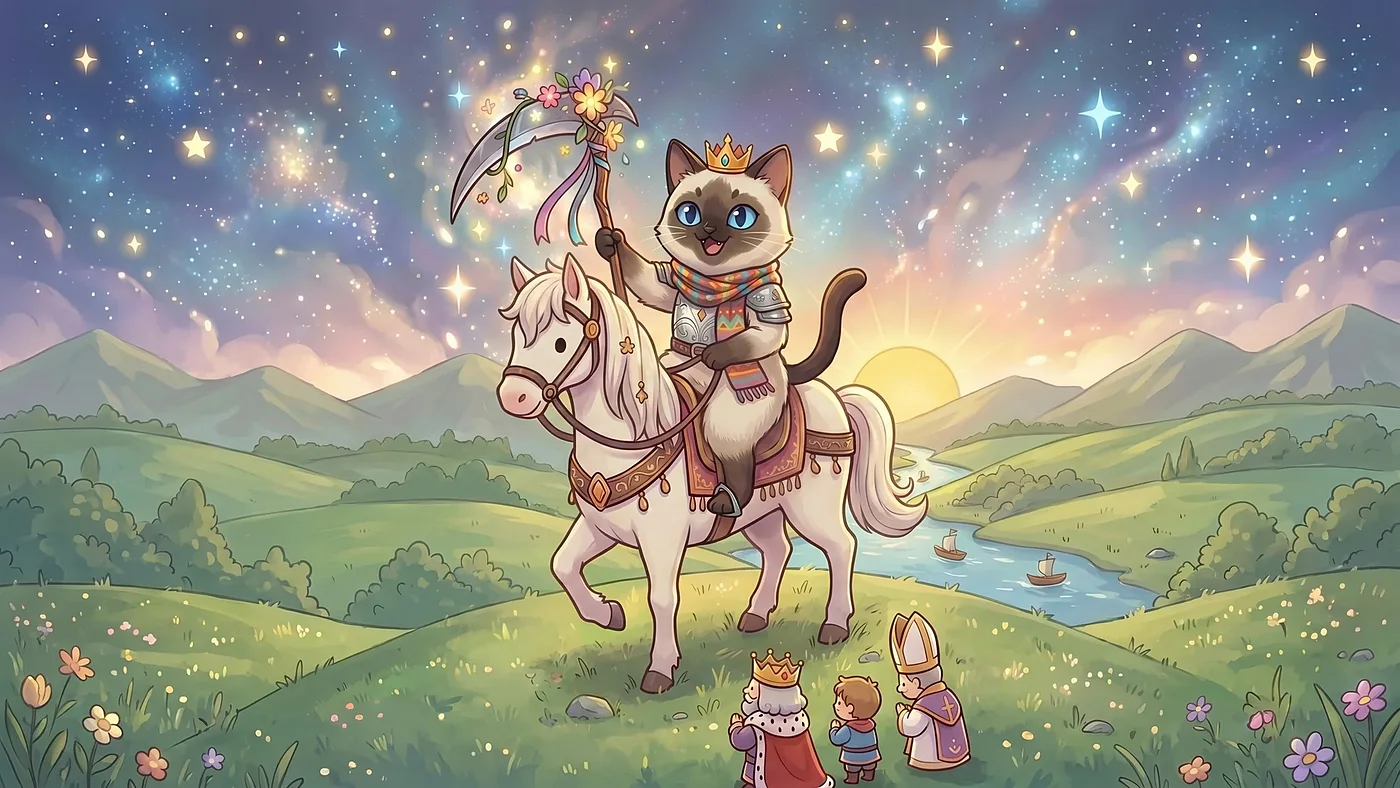
Learn the Death tarot card meaning in upright, reversed, love, and daily-life questions without treating it as a literal prediction.
SCHROE Editors
The Death card can make a tarot reading feel suddenly serious. Even people who know a little about tarot often pause when it appears. The name is direct, and in love or relationship questions it is easy to jump to the most frightening interpretation.
In a tarot reading, though, the Death card is not used as a prediction of literal death. Its central meaning is ending, release, and transformation. It points to a pattern, role, expectation, or way of relating that can no longer continue in its old form.
That makes Death a powerful card, but not a cruel one. It asks a clearer question than “Will something terrible happen?” It asks, “What has already lost its life in this situation, and what new form is trying to begin?”
Quick Takeaways
- Death is a card of symbolic endings, transition, and necessary change.
- Upright, it often shows that an old pattern needs to be released.
- Reversed, it can point to resistance, delayed closure, or holding on after something has changed.
What the Death Card Really Means
Death is Major Arcana card 13. Major Arcana cards tend to describe larger life themes rather than passing moods. In this case, the theme is transformation through an ending. Something has served its purpose, or at least cannot keep working in the same shape.
You can also check the short upright and reversed meanings on the Death card detail page. Here, we will focus on how to read the card in real questions, especially when the name of the card makes the reading feel more dramatic than it needs to be.
Death often appears when a situation is still moving on the outside but already changing underneath. A relationship may still have the same label, but the old way of handling conflict no longer works. A job may still be stable, but the version of yourself that once fit that role may be fading. A personal routine may look responsible, but quietly be draining you.
The card does not always say “leave.” More often, it says “notice what can no longer continue unchanged.” Sometimes the relationship remains, but the old agreement ends. Sometimes the job remains, but the role changes. Sometimes the goal remains, but the method has to be retired.
Upright Death: Releasing the Old Form
Upright Death points to closure, change, transition, and the end of an outdated pattern. If you have already felt that something is finished but have been trying to keep it alive through habit, this card brings that tension into the open.
In love, upright Death does not automatically mean a breakup. It may show that a relationship cannot survive in its current style. One person may be doing all the emotional labor. The same apology may be repeated without a real change. The relationship may be avoiding a necessary conversation about commitment, distance, or expectations.
In work or personal growth, Death can mark the moment when an old identity no longer fits. A schedule, ambition, role, or standard that once helped you may now be too small or too heavy.
Useful questions include:
- What part of this situation is already over, even if I have not named it?
- What old habit keeps recreating the same result?
- What would change if I allowed the form to evolve instead of forcing it to stay familiar?
Reversed Death: Resisting the Change
Reversed Death often points to resistance. You may know that a change is needed, but still be delaying the conversation, decision, or emotional release that would let the next stage begin.
This can look quiet from the outside. A couple may keep the same routine while both people avoid the real issue. A person may stay in a role that no longer fits because the next step feels uncertain. Someone may keep replaying an old story because letting it end would mean becoming responsible for a new choice.
Reversed Death is not a curse. It is usually a sign that the transition is being postponed. The card asks where you are protecting familiarity at the cost of growth.
Death in Love and Relationship Questions
In love readings, Death needs careful language. It should not be used to scare the reader or declare a fixed ending. Instead, read it as a spotlight on the pattern that may need to change.
If you are asking about a new connection, Death may show that an old dating pattern has to end before the connection can become honest. Maybe you are waiting for someone unavailable, avoiding clarity, or repeating a familiar chase.
If you are asking about an existing relationship, Death can show that the relationship needs a new structure. The bond may not be the problem. The old way of communicating, avoiding conflict, or carrying responsibility may be the thing that has reached its limit.
If you are asking about reconciliation, Death does not simply promise a return. It asks whether the past can truly be left in the past. A reunion that keeps the old pattern untouched is not real transformation.
A Mini Reading Example: "Will They Come Back?"
If the question is "Will they come back?", Death changes the center of the reading. It does not answer by saying yes or no in a vacuum. It asks whether the old dynamic can actually end before any new contact begins.
Upright Death may point to closure around the previous version of the relationship: the same argument, the same silence after conflict, the same unclear promise. Reversed Death may show that someone is still emotionally holding the door open, but has not yet faced what made the relationship difficult in the first place.
In that kind of reading, a more useful follow-up question is: "What would have to be different for a return to be healthy?"
Death, The Hanged Man, Temperance, and The High Priestess
Death can be confused with other Major Arcana cards that also feel deep or transitional. The Hanged Man is about pausing, surrendering control, and seeing the situation differently. Death is less about waiting and more about recognizing that one form is ending.
Temperance is about blending, adjusting, and finding a workable rhythm between different elements. Death is sharper. It asks whether adjustment is still enough, or whether an old pattern has to be closed.
The High Priestess deals with intuition, silence, and what has not yet been spoken. Death is more concrete. It asks what pattern is already ending, even if no one has officially named it yet.
In a spread, Death with Temperance may suggest that the transition needs patience after a clean break from the old rhythm. Death with The High Priestess can point to a change you already sense but have not said aloud. Death with The Hanged Man may show the pause before you are ready to release the old view of the situation.
Frequently Asked Questions
Does the Death tarot card mean literal death?
No. In a tarot reading, the Death card should not be treated as a literal death prediction. It is a symbolic card about endings, release, transition, and transformation.
Is reversed Death always bad?
No. Reversed Death often shows resistance to a needed change. It can be uncomfortable, but it also gives you a practical place to look: what are you still holding on to, and what would become possible if you stopped forcing the old form to continue?
Try It With SCHROE
When Death appears, try asking a more precise question. Instead of “Is something bad going to happen?” ask, “What old pattern is ready to end in this situation?” The second question gives the card room to become useful.
SCHROE tarot readings are designed to treat cards as tools for reflection, not fixed verdicts. If the Death card has appeared in your reading, use it to notice what needs release and what new shape may be waiting on the other side.
Try it yourself
Latest articles on this topic
- The World Tarot Card Meaning: Completing a cycle and crossing the next threshold
- Wheel of Fortune Tarot Card Meaning: What to choose when the flow changes
- Two of Wands Tarot Card Meaning: Planning, Vision, and the Choice Beyond the Door
- Two of Swords Tarot Card Meaning: Placing two standards side by side before forcing a choice