ENFJ cat MBTI: Care Signals You Can Actually Observe
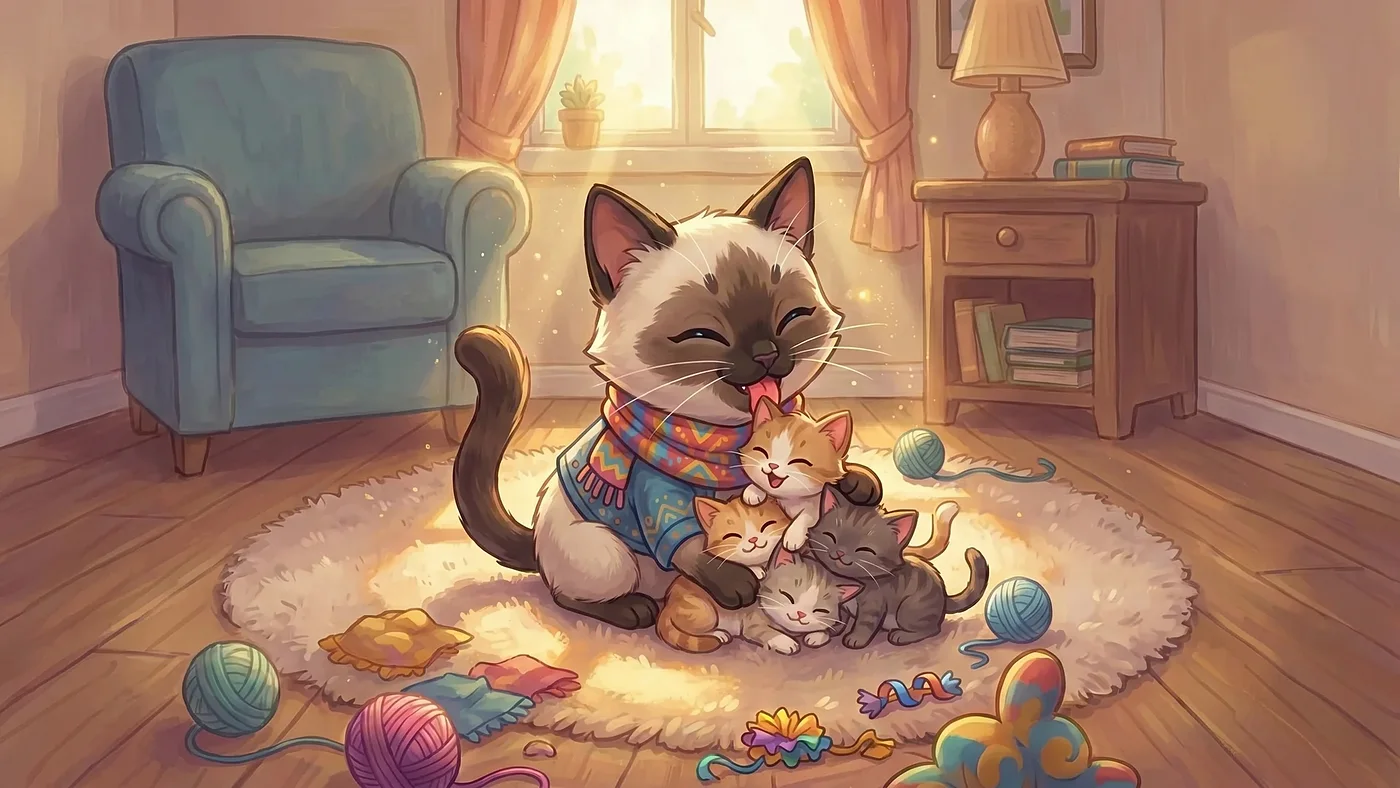
Read ENFJ cat care signals through indoor movement, cat trees, window spots, hideouts, play, and rest, while keeping health concerns with a veterinarian.
SCHROE Editors
ENFJ cat MBTI: Care Signals You Can Actually Observe
An ENFJ cat MBTI label works best as a careful observation note. This article starts with a repeated scene such as checking where people are in each room before returning to a favorite spot, but it does not treat breed or one memorable behavior as proof. The useful question is when the pattern repeats, what came before it, and whether the companion tracks people and adjusts to the social flow.
For a cat, the same scene can change with indoor paths, cat-tree height, window noise, hideout access, furniture placement, and the rhythm between play and rest. That is why the ENFJ label should stay tied to the home environment and consent-to-touch signals.
Narrow The Scene First
When checking where people are in each room before returning to a favorite spot keeps appearing, do not rush to call it stubborn, shy, clever, or dramatic. Look at the path toward the window, movement to the cat tree, time spent in a hideout, the ending of hunting play, and where rest happens afterward. For an ENFJ cat, the useful pattern may be the way stimulation is processed and recovery begins.
This reading can begin playfully, but it should become a low-pressure care note. When the check-in when someone enters the room repeats, separate the conditions that make recovery easier from the conditions that add pressure.
What To Record
- Mark where the check-in when someone enters the room appears most often: cat tree, window, hideout, doorway, or quiet room.
- Notice the path before and after litter box use, including scratcher, food, water, or resting spots.
- Flag days with visitors, new sounds, moved furniture, or a changed play-rest rhythm.
- After hunting play, note how long it takes for a cat who tracks people and adjusts to the social flow to soften.
- Before touch, watch approach, turning away, tail position, ear position, and whether contact is invited.
Even when the checking where people are in each room before returning to a favorite spot pattern feels familiar, do not turn health changes into personality clues. If appetite, water intake, litter box use, bowel or urination changes, suspected pain, breathing, sudden aggression, or lethargy changes from the usual baseline, keep the MBTI reading secondary and contact a veterinarian.
Keep the note brief for this ENFJ cat: write down the trigger, the recovery cue, and one condition that helped. That small record is more useful than adding a stronger label.
Separating Similar Types
- Compared with INFJ: keep ENFJ focused on how the companion tracks people and adjusts to the social flow and on the check-in when someone enters the room. INFJ becomes a better fit only if a different repeated scene, such as watching from a distance on a quiet day, then slowly coming closer, shows up across several normal routines.
- When it resembles ESFJ: keep ENFJ focused on how the companion tracks people and adjusts to the social flow and on the check-in when someone enters the room. ESFJ becomes a better fit only if a different repeated scene, such as moving through the middle of a family gathering and reading the reactions, shows up across several normal routines.
- If you are choosing between ENFJ and ENTJ: keep ENFJ focused on how the companion tracks people and adjusts to the social flow and on the check-in when someone enters the room. ENTJ becomes a better fit only if a different repeated scene, such as moving between the food bowl and play area as if checking the next step, shows up across several normal routines.
A Small Test For Today
For today, change only one part of the routine. When family gathers, keep both a watching spot and a retreat open, then respond briefly only when your cat chooses to approach. What matters for an ENFJ cat is not a fixed personality claim, but a small experiment that shows which condition makes recovery easier or harder.
For a deeper type page, continue to the ENFJ cat guide. To map your own companion’s pattern, start with the pet MBTI check.
FAQ
Does checking people all the time mean separation anxiety?
It can look that way, but avoid making the label do too much work. With an ENFJ cat, check when the check-in when someone enters the room repeats and whether environment or body comfort changed first.
Will praise make this pattern more demanding?
There is no single rule. A pattern that tracks people and adjusts to the social flow can shift with home layout, caregiver response, other animals, age, and health. Sudden or painful-looking changes belong with veterinary advice before routine interpretation.