ENFP dog MBTI: Care Signals You Can Actually Observe
Read ENFP dog care signals through walks, leash cues, bathroom routine, and rest patterns, while keeping health concerns with a veterinarian.
SCHROE Editors
ENFP dog MBTI: Care Signals You Can Actually Observe
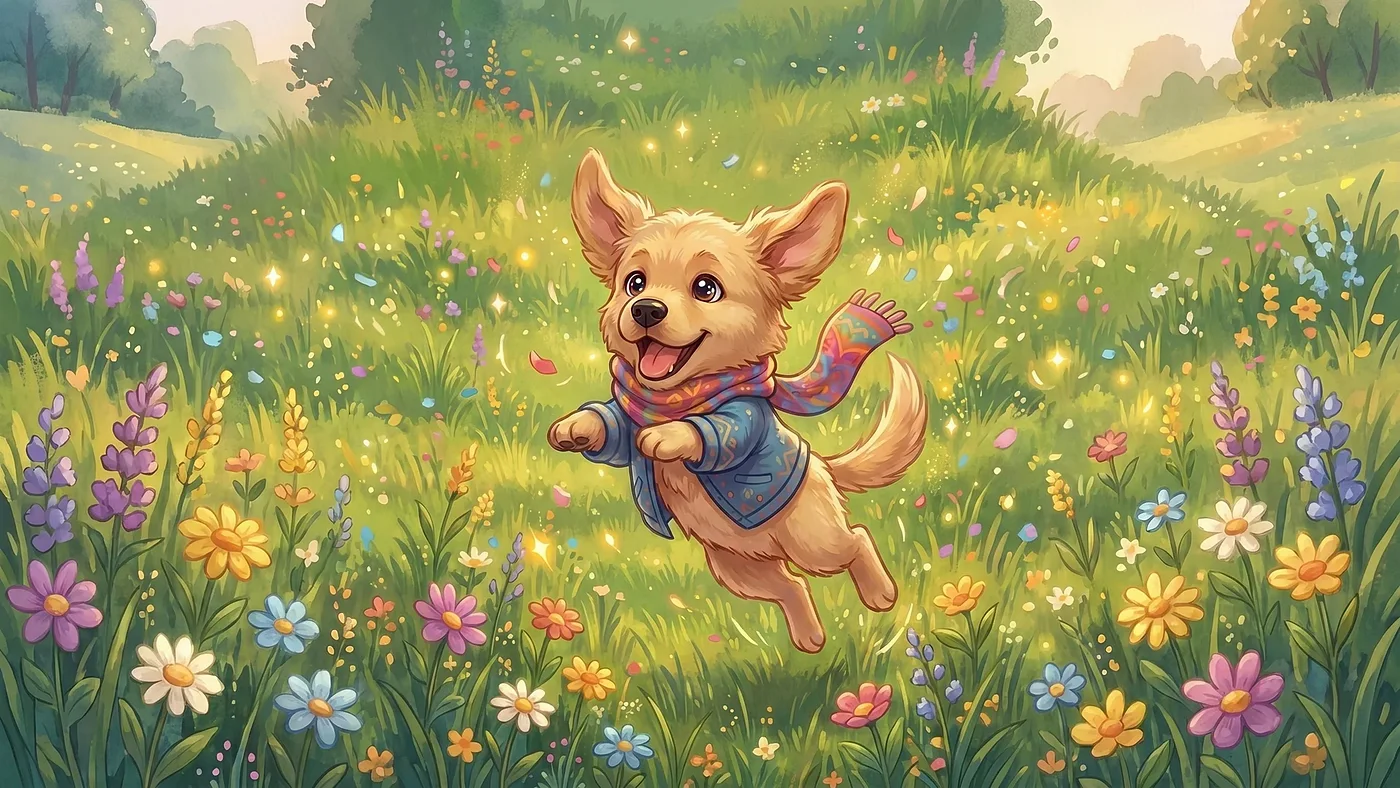
You may wonder whether a repeated habit is personality, preference, or a care signal. This article starts with a repeated scene such as reacting with the whole body to new smells and people during a walk, but it does not treat breed or one memorable behavior as proof. The useful question is when the pattern repeats, what came before it, and whether the companion opens wide to novelty and possibility.
For a dog, the same scene can change with outing time, leash length, distance from unfamiliar people or dogs, toileting habits, and the rest spot after coming home. That is why the ENFP label should stay tied to everyday care context.
Start With One Question
The first question is simple: on days when reacting with the whole body to new smells and people during a walk appears, what changed before and after it? A few days of the same question can show whether the cool-down after a whole-body reaction points to comfort or pressure.
Check The Care Context
When reacting with the whole body to new smells and people during a walk keeps appearing, do not rush to call it stubborn, shy, clever, or dramatic. Look at body language before an outing, leash pressure, caregiver distance after unfamiliar stimuli, bathroom routine, and the first rest spot after coming home. For an ENFP dog, the useful pattern may be the way stimulation is processed and recovery begins.
- Track when body tension rises around the cool-down after a whole-body reaction, especially before or after outings.
- Separate places where leash pressure increases from places where it softens.
- For bathroom routine, record timing, posture, hesitation, bowel changes, or urination changes against the usual baseline.
- After unfamiliar stimuli, note what distance helps a companion who opens wide to novelty and possibility.
- After returning home, record water, shaking off, pacing, and the first rest spot as one sequence.
Even when the reacting with the whole body to new smells and people during a walk pattern feels familiar, do not turn health changes into personality clues. If appetite, water intake, bathroom routine, bowel or urination changes, suspected pain, breathing, sudden aggression, or lethargy changes from the usual baseline, keep the MBTI reading secondary and contact a veterinarian.
Keep the note brief for this ENFP dog: write down the trigger, the recovery cue, and one condition that helped. That small record is more useful than adding a stronger label.
How Similar Types Split Apart
- Compared with INFP: keep ENFP focused on how the companion opens wide to novelty and possibility and on the cool-down after a whole-body reaction. INFP becomes a better fit only if a different repeated scene, such as staying near a familiar blanket or toy for a long stretch, shows up across several normal routines.
- When it resembles ESFP: keep ENFP focused on how the companion opens wide to novelty and possibility and on the cool-down after a whole-body reaction. ESFP becomes a better fit only if a different repeated scene, such as responding more brightly with tail and face when the family laughs, shows up across several normal routines.
- If you are choosing between ENFP and ENTP: keep ENFP focused on how the companion opens wide to novelty and possibility and on the cool-down after a whole-body reaction. ENTP becomes a better fit only if a different repeated scene, such as turning one ball into a new play rule that pulls the caregiver in, shows up across several normal routines.
Changing The Routine
For today, change only one part of the routine. After a new smell or person, avoid stacking another stimulus; add a brief sniff, a softer pace, and a predictable finish. What matters for an ENFP dog is not a fixed personality claim, but a small experiment that shows which condition makes recovery easier or harder.
For a deeper type page, continue to the ENFP dog guide. To map your own companion’s pattern, start with the pet MBTI check.
FAQ
If excitement lasts, is it simply high energy?
It can look that way, but avoid making the label do too much work. With an ENFP dog, check when the cool-down after a whole-body reaction repeats and whether environment or body comfort changed first.
Are more new experiences always better?
There is no single rule. A pattern that opens wide to novelty and possibility can shift with home layout, caregiver response, other animals, age, and health. Sudden or painful-looking changes belong with veterinary advice before routine interpretation.